Lambeth Council rules for flower displays in Herne Hill
Posted on 26/09/2026
Lambeth Council rules for flower displays in Herne Hill: a practical local guide
If you are arranging flower displays in Herne Hill, the rules can feel a bit fuzzy at first. Do you need permission? Can you place planters on the pavement? What happens if your display narrows the footway or blocks a sight line? The short answer is that Lambeth Council rules for flower displays in Herne Hill usually come down to public safety, access, visibility, and keeping the street tidy. The longer answer is more useful, because the details matter.
This guide breaks the topic down in plain English. You will learn how the rules typically work, what councils tend to look for, how to avoid common mistakes, and how to plan a display that looks lovely without creating problems for pedestrians, neighbours, or traders. In our experience, that balance is what most people are really after anyway.
Whether you are a shop owner on a busy stretch, a cafe placing seasonal planters outside, or simply someone wanting a smarter front step display, the safest approach is to treat the pavement as shared space. Beautiful, yes. But shared.
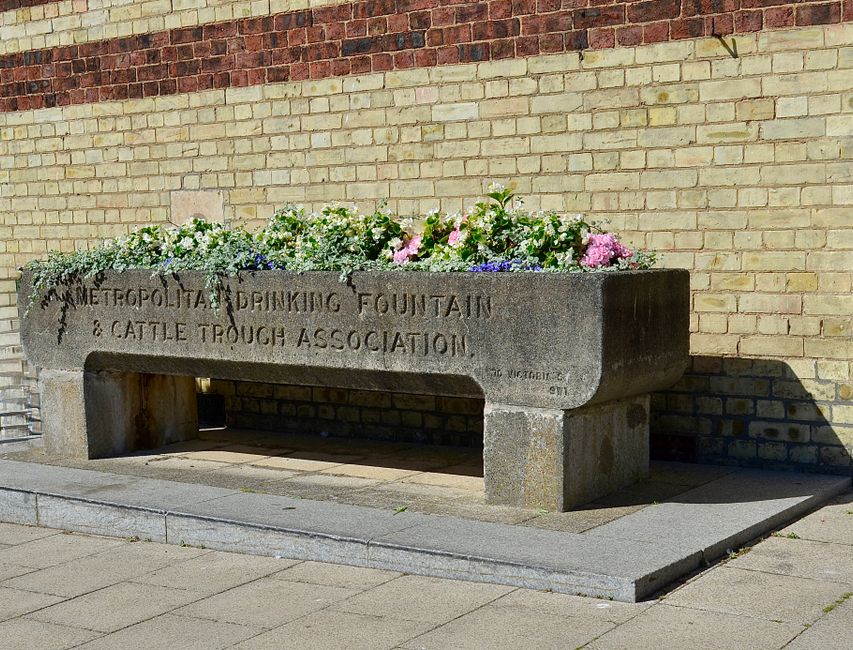
Why Lambeth Council rules for flower displays in Herne Hill Matters
Herne Hill has that local London mix of busy footfall, period buildings, narrow pavements in places, and a fair amount of passing traffic. That combination makes flower displays more than a decorative choice. A few well-placed pots can lift a frontage beautifully; a poorly placed display can create an awkward squeeze for wheelchair users, parents with buggies, delivery riders, or anyone carrying shopping on a wet afternoon. Let's face it, nobody enjoys a sideways shuffle around an overgrown planter in the rain.
Lambeth Council's concern, broadly speaking, is not "flowers or no flowers." It is whether a display is safe, accessible, and reasonable in the street environment. That matters because a flower arrangement outside a property is not just private decoration. Once it sits on a pavement or in another shared area, it starts to affect other people.
There is also a reputational side to this. A tidy, compliant display can make a business look cared for and welcoming. A display that spills, blocks, or wilts can send the opposite message very quickly. You can tell within seconds when a frontage has been thought through and when it has been winged. And people notice, even if they do not say it out loud.
For local traders, cafes, salons, and hospitality businesses, the practical risk is simple: if a display causes obstruction or nuisance, you may be asked to move it, change it, or remove it. For residents, the same logic applies in slightly different form. A planter or floral feature outside a home still needs to sit comfortably within any relevant property, highway, or access rules.
How Lambeth Council rules for flower displays in Herne Hill Works
At a practical level, the council will usually look at flower displays through a few overlapping questions:
- Is the display on private land, or has it moved into public pavement space?
- Does it obstruct pedestrians, mobility users, prams, or delivery access?
- Could it reduce visibility for drivers, cyclists, or people crossing the road?
- Is it stable, well-maintained, and unlikely to tip, leak, or create litter?
- Does it fit the character of the area without becoming clutter?
If the flowers are inside your boundary, such as on a windowsill, inside a forecourt, or in a private front garden, the rules are generally simpler. Once a display reaches the pavement, the threshold for caution rises sharply. A display that seems tiny to you can still feel bulky to someone trying to pass with a suitcase or a mobility aid.
In some situations, a shop or venue may need permission or an agreement before placing anything in the public realm. The exact route can depend on location, frontage width, and how the space is used. That is why a one-size-fits-all answer is never quite enough here. The safest habit is to check before you build the display, not after the first complaint.
There is also the daily reality of maintenance. A display is not just an installation; it is an ongoing responsibility. Watering, deadheading, cleaning fallen petals, and keeping pots aligned all matter. A display that looked polished on day one can become messy by Friday if nobody is looking after it. A little upkeep goes a long way.
Key Benefits and Practical Advantages
When a flower display is planned well, the benefits are easy to see. And no, it is not just about looking pretty, though that helps.
- Better street presence: A neat, attractive frontage can make a business feel welcoming and cared for.
- Stronger local identity: Seasonal flowers can help a property feel rooted in the neighbourhood rather than generic.
- Improved customer experience: People respond well to a pleasant entrance, especially on a grey London morning.
- Lower risk of complaints: Clear, well-managed displays are less likely to be challenged by neighbours or enforcement teams.
- More reliable compliance: A planned setup is easier to maintain within safe and sensible boundaries.
There is also an indirect benefit: good displays encourage better habits. When someone takes the time to measure the space, check clearance, and choose sturdy containers, the whole frontage tends to improve. It becomes cleaner, more intentional, and easier to manage. Small detail, big effect.
For businesses, that can support brand value in a subtle way. For residents, it can simply make coming home feel nicer. There is a practical joy in a flower arrangement that survives a breezy day and still looks composed by evening.
| Approach | What it usually means | Best for | Typical risk level |
|---|---|---|---|
| Private frontage display | Flowers kept within your boundary line | Homes, front gardens, shop windows | Lower |
| Managed pavement display | Planters or floral features placed near or on shared space with care | Cafes, retailers, hospitality fronts | Medium |
| Temporary seasonal display | Short-term flowers for an event or promotion | Special occasions, weddings, local events | Medium |
| Large decorative installation | Heavier, more visible floral feature with greater footprint | Campaigns, launches, premium branding | Higher |
Who This Is For and When It Makes Sense
This guide is relevant to a few different people, and the practical angle changes slightly for each one.
Local businesses. If you run a florist, cafe, deli, salon, restaurant, or shop in Herne Hill, a flower display can be part of your storefront identity. That is especially true if you want to draw attention without shouting for it. A smart floral arrangement often works better than a plastic sign or an overdone banner. Quiet confidence, basically.
Residents. If you are decorating the front of your home, especially in a terrace or shared street setting, you may want flowers that frame the property without creeping into neighbour territory or public access space.
Event organisers. Weddings, community events, celebrations, and memorial arrangements sometimes spill outside the obvious venue area. Once the display is near a public footway or entrance, the same access and safety logic still applies.
Property managers and landlords. If you oversee a block, shop parade, or managed entrance in Herne Hill, you may need to balance appearance with maintenance and clear access. That balance is often where things get tricky, to be fair.
Florists working to a brief. If you are designing and delivering a display, you need to think beyond colour and season. Space, stability, weather resistance, and route of placement all matter. Beautiful is good. Safe and practical is better.
Step-by-Step Guidance
If you want to plan a display with fewer headaches, use a simple staged approach. It keeps the process sane.
- Define the location. Start by confirming whether the flowers will sit on private land, at a threshold, or in shared pavement space. This one decision changes everything.
- Measure the usable space. Do not guess. Measure the width, turning space, and any pinch points such as door swings, bins, railings, or low walls.
- Check the line of movement. Imagine a pram, a wheelchair, or two people passing with bags. Can they get through comfortably without stepping into danger?
- Choose stable containers. Pots and planters should be solid, weather-tolerant, and hard to knock over. Light plastic can move around more than you think when the wind picks up.
- Select the right flowers. Pick blooms that suit the light, season, and maintenance level you can realistically manage. A glamorous display that collapses in three days is not glamorous for long.
- Keep the design controlled. Avoid sprawling stems, loose decorative bits, or anything that trails into the walking line.
- Put maintenance on a schedule. Watering, trimming, sweeping petals, and checking stability should be planned from day one.
- Review after installation. Stand back and look at the display from different angles. Street view, doorway view, and passers-by view are not always the same thing.
If you are planning something seasonal, like a spring front-of-house refresh or a wedding entrance arrangement, timing matters too. Early morning installation can be helpful because pavements are quieter and the job is easier to assess before the day gets busy. Small thing, but it really helps.
Expert Tips for Better Results
Here are the little things that make a display feel more polished and less troublesome.
- Keep the footprint smaller than you first imagine. People often design to the edges of the available space. Leave breathing room.
- Use weight wisely. Heavy containers are less likely to shift, but they still need safe handling and sensible placement.
- Match the display to the street rhythm. A quiet residential frontage needs a different approach from a busy high street edge.
- Think about weather. London wind and drizzle are not dramatic, but they are persistent. Flowers that flop easily will show it.
- Choose a tidy palette. Mixed displays can look rich and warm, but too many competing tones can read as clutter from the pavement.
- Make maintenance part of the design. If a display is hard to water or prune, it will age badly. Simpler setups are often better.
One practical trick is to take a quick photo of the display at installation time. You will notice small issues later more easily when you have a reference image. It sounds almost too simple, but honestly, it saves a lot of guessing.
Another tip: if the display is meant to help a business look premium, use fewer, stronger elements rather than lots of small ones. A clean line of well-chosen flowers often looks more expensive than a crowded arrangement. Not always, but often enough.
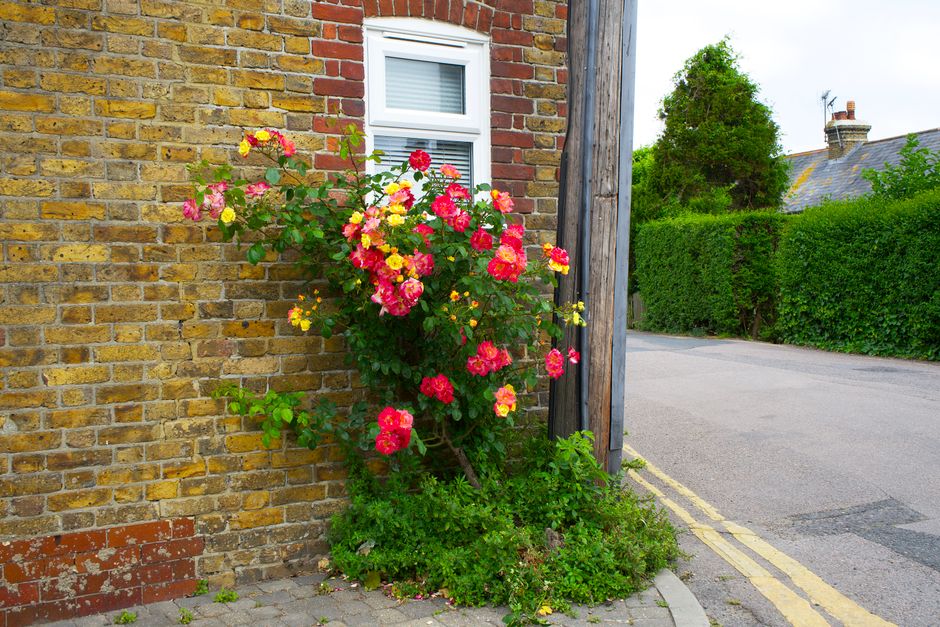
Common Mistakes to Avoid
Most problems with flower displays are not dramatic. They are boring little oversights that add up. Typical examples include:
- placing pots where they narrow the walking route;
- forgetting that doors, gates, and deliveries need clear access;
- choosing containers that topple in wind or get moved by accident;
- allowing petals, leaves, soil, or water to spill onto the pavement;
- using displays that look tidy on day one but become messy very quickly;
- treating a public-facing display as if it were private garden space;
- ignoring neighbours, nearby businesses, or shared entrance users.
Another common mistake is assuming that because a display is temporary, it does not matter. It does matter. A short-lived installation can still obstruct access, create a trip hazard, or trigger a complaint if it is poorly placed. Temporary does not mean invisible.
And then there is the classic problem of scale. Someone says, "It will only be a couple of planters." A couple can become a line, and a line can become a bottleneck. You know how it goes.
Tools, Resources and Recommendations
You do not need specialist kit to start well, but a few simple tools make a huge difference.
- Measuring tape: essential for checking width, clearance, and spacing.
- Sturdy planters: choose containers that will not crack or slide too easily.
- Plant saucers or trays: useful if you want to reduce water runoff and mess.
- Gardening gloves and small tools: handy for routine maintenance and deadheading.
- Watering can or controlled irrigation: useful for keeping displays healthy without overwatering.
- Camera phone: a quick way to record layout, track changes, and spot issues from a distance.
If you are choosing flowers, it can also help to think by use-case rather than just by colour. For example, some customers want something soft and seasonal, while others want a more structured look for a doorway or event entrance. If you are sourcing locally, you might look at a general florist service such as a florist in Herne Hill or browse flower delivery in Herne Hill for a broader sense of what styles are available.
For special occasions, the right product category can help narrow the choice fast. If you are planning an event, wedding flower options or the full flower range may be a better starting point than trying to piece things together from scratch.
Sometimes the smartest recommendation is simply to keep the display elegant and manageable. If that means fewer flowers and better structure, so be it. The street will thank you later.
Law, Compliance, Standards and Best Practice
This is the part people often want a neat answer for, but real-world compliance is usually more layered than that. In general, flower displays near public space need to respect access, safety, and any permission or licensing requirements that may apply to the location. If a display crosses into shared pavement or highway space, the standard expectation is that it should not cause obstruction, hazard, or nuisance.
Best practice usually includes the following:
- Keep clear pedestrian routes. The route should remain comfortable for everyday use, not just technically passable.
- Maintain visibility. Displays should not block sight lines near entrances, crossings, or vehicle movements.
- Avoid trip and slip risks. Loose pots, trailing stems, soil, and standing water are all easy ways to create trouble.
- Maintain the display actively. Neglected arrangements can become unsightly or unsafe quite quickly.
- Check local conditions. A frontage that works on a quiet side street may be unsuitable on a busier section nearby.
If you are a business owner, it is wise to treat council expectations seriously even where the rules feel informal on the surface. Councils tend to focus on real-world impact: can people get by, can emergency or service access continue, and is the area still safe? That is the heart of it.
There is also a simple common-sense standard: if you would struggle to pass your own display with a pushchair, a shopping trolley, or a bag of compost, it probably needs rethinking. Not glamorous advice, but very useful.
Where certainty is needed, check the relevant local permissions before placing anything substantial in the public realm. If you are unsure, it is better to pause than to build first and explain later.
Options, Methods, or Comparison Table
Depending on your goal, you may want a different type of flower display. Here is a practical comparison to help you choose.
| Method | Best use | Advantages | Watch-outs |
|---|---|---|---|
| Window display | Homes, cafes, shopfronts | Low obstruction risk, easy to maintain | Less visible from the street if the frontage is recessed |
| Private forecourt arrangement | Properties with a little front space | Looks polished without taking pavement space | Can still create access issues if overfilled |
| Pavement-edge planters | Hospitality and retail frontages | Very visible, attractive for passers-by | Higher chance of obstruction or complaint |
| Temporary event installation | Weddings, launches, community events | Flexible and highly decorative | Needs close control and prompt removal |
For most readers, the best option is the one that creates the least friction. If a display can be moved indoors or kept inside a boundary without losing much impact, that often makes life easier. And easier is underrated.
Case Study or Real-World Example
Imagine a small Herne Hill cafe that wants a seasonal floral look outside its entrance in early spring. The owner's first idea is a pair of large planters by the doorway, plus a few trailing baskets to catch the eye from the road. On paper, it sounds charming. In practice, the doorway already sees a steady stream of people in and out, and the pavement narrows just beyond the entrance.
After measuring the frontage, the owner realises that the original plan would leave very little passing room during busier times. So the display is simplified. The planters are moved slightly inward, the baskets are reduced, and the flowers are chosen for height and structure rather than width. The result still looks warm and welcoming, but it feels calmer at street level.
What changed? Not the ambition. The judgement.
That is the bit people sometimes miss. A compliant display is not usually less attractive; it is just better edited. In the real world, editing is what saves the day. The street scene feels better, the cafe gets the visual lift it wanted, and nobody has to squeeze past with their shoulders turned sideways. That is a win all round.
Practical Checklist
Use this checklist before you set up any flower display in Herne Hill.
- Have I confirmed exactly where the display will sit?
- Does it stay within my own boundary, or does it move into shared space?
- Will people be able to pass safely and comfortably?
- Have I left enough room for wheelchairs, buggies, and deliveries?
- Are the containers stable and weather-resistant?
- Could the display tip, leak, or shed petals onto the pavement?
- Do I have a maintenance plan for watering, pruning, and cleaning?
- Will the display remain tidy after a windy or wet day?
- Have I checked whether any permission, consent, or local approval is needed?
- Does the finished look still feel calm rather than crowded?
If you can tick most of those off with confidence, you are probably in a much better place. If not, trim the design back a little and check again. Simple really.
Get a free quote today and see how much you can save.
Conclusion
Flower displays in Herne Hill can be a lovely way to brighten a frontage, mark a special occasion, or bring more personality to a local business. But the best displays are the ones that respect the street as shared space. That means thinking about access, safety, upkeep, and the practical limits of the site before you start arranging blooms.
If you remember just one thing, make it this: a good display should enhance the street without getting in the way of it. That is the sweet spot. The flowers look better, the space works better, and everyone has an easier time of it.
Plan carefully, keep it tidy, and do not be afraid to simplify if needed. A little restraint often makes the whole thing feel more confident, more local, and more charming. And honestly, that is usually the version people remember.
Frequently Asked Questions
Do I need permission for flower displays in Herne Hill?
It depends on where the display sits. If flowers stay within your private boundary, permission may not be needed. If they move onto a pavement or shared space, you may need approval or a local agreement, especially if there is any risk of obstruction.
Can I put flower pots on the pavement outside my shop?
Possibly, but that is where caution matters most. A pavement display can be helpful visually, yet it must still leave enough clear space for people to pass safely. If in doubt, treat it as a managed street-space issue rather than simple decoration.
What makes a flower display non-compliant?
Usually it is one of three things: it blocks access, creates a hazard, or becomes a nuisance. A display that narrows a walkway, hides visibility, tips over easily, or creates mess is much more likely to cause problems.
Are temporary flower arrangements treated differently?
They can be, but temporary does not mean unrestricted. A short-term wedding, event, or promotional display still needs to be safe and not obstruct public access. If anything, temporary displays need tighter planning because they are often installed quickly.
What is the safest place for flower displays?
The safest place is usually within your own boundary, such as a window box, forecourt, or internal display visible from the street. That keeps the visual benefit while reducing the chance of access issues.
How much space should I leave around a display?
There is no universal number that suits every frontage, because the layout, footfall, and local environment all matter. The practical test is whether people can pass comfortably without stepping into the road or squeezing awkwardly around the display.
Do I need to worry about flowers near entrances or gates?
Yes, absolutely. Entrances and gates need extra care because they are pinch points. Even a small pot can become annoying if it blocks the natural swing of a door or complicates access for deliveries.
What flowers work best for street-facing displays?
Hardy, tidy, and manageable varieties usually work best, especially if the display is outdoors. The ideal choice depends on season, light, and how much maintenance you can realistically do. Low-maintenance often wins in the real world.
How often should a flower display be checked?
As often as the location demands. Busy streets and exposed frontages need more frequent checks than sheltered spots. A quick daily glance and a fuller weekly tidy-up is a sensible starting point for many displays.
Can poor weather affect compliance?
Yes. Wind, rain, and uneven surfaces can turn a neat display into a hazard quite fast. Heavy containers, secure placement, and regular checks help reduce the risk, especially during changeable London weather.
What if my display causes a complaint?
Act quickly. Review the layout, remove anything that obstructs or spills, and reassess the space with fresh eyes. A calm response usually resolves things faster than waiting for the issue to grow arms and legs.
Is a florist helpful for this kind of display?
Very often, yes. A good florist can help you choose flowers that suit the space, the season, and the practical constraints of a public-facing location. For local delivery or more tailored options, a Herne Hill florist can be a useful starting point.
What is the simplest way to stay on the right side of the rules?
Keep the display within your own space where possible, leave enough room for people to pass, and maintain it properly. That basic formula covers a surprising amount. Simple, but not sloppy.